Introduction: Why Spoken English Matters Today
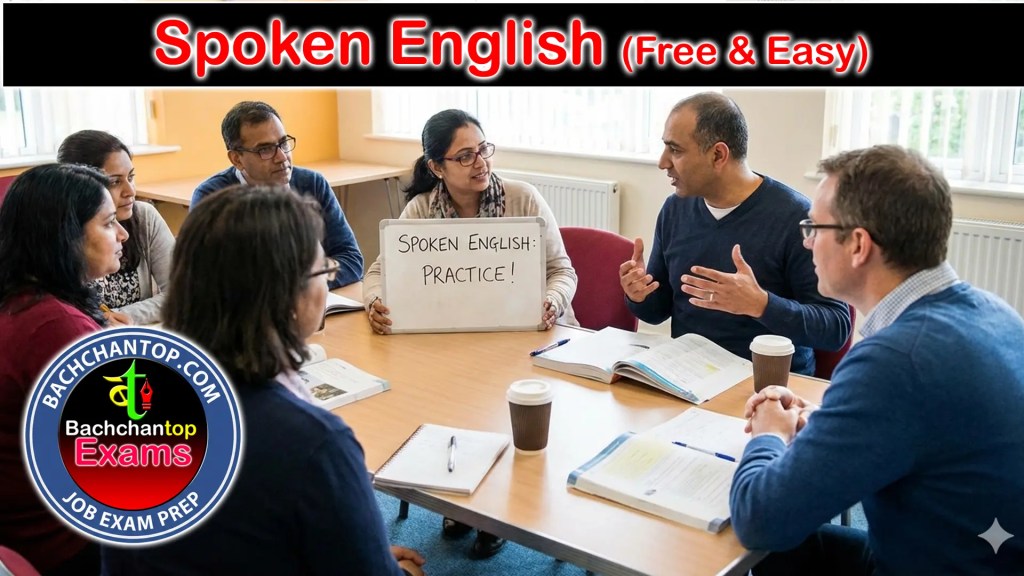
Spoken English is no longer just a subject; it is a life skill. In today’s globalized world, English is the most widely used language for communication in education, employment, business, technology, and social interaction. Whether you are a student preparing for competitive exams, a job seeker attending interviews, a professional aiming for career growth, or a homemaker wanting confidence in daily conversations, spoken English plays a vital role in shaping your personality and opportunities.
Many learners study English grammar for years but still hesitate while speaking. The main reason is lack of structured spoken English practice, fear of making mistakes, and absence of real-life communication exposure. This Spoken English page is designed as a complete, user-friendly, step-by-step solution for learners of all levels – beginner to advanced.
Here, you will not only learn what to say, but also how, when, and why to say it.
What Is Spoken English?
Spoken English refers to the ability to communicate effectively in English through speech. It includes:
- Correct pronunciation and clarity of speech
- Proper use of vocabulary in real-life situations
- Confidence and fluency while speaking
- Understanding native and non-native accents
- Using grammar naturally without overthinking
Unlike written English, spoken English is more flexible, interactive, and situation-based. It focuses on communication rather than perfection.
Who Should Learn Spoken English?
This Spoken English course/page is useful for:
- School students (Class 6 to 12)
- College students
- Competitive exam aspirants (UPSC, SSC, Banking, Railway, State PSCs)
- Job seekers and interview candidates
- Working professionals
- Teachers and educators
- Homemakers and adult learners
- Anyone who understands English but cannot speak confidently
No age limit. No prior fluency required.
Common Problems Faced by Spoken English Learners
Most English learners face similar challenges:
- Fear of speaking English in public
- Thinking in Hindi/other languages before speaking
- Limited vocabulary for daily use
- Confusion in tenses and sentence structure
- Poor pronunciation and wrong stress
- Lack of confidence and fluency
This Spoken English program addresses all these problems systematically.
How This Spoken English Page Helps You
This page is structured to work as a complete Spoken English learning hub:
- Beginner-friendly explanations
- Daily use sentences and conversations
- Practical speaking patterns
- Grammar for speaking (not bookish grammar)
- Pronunciation and accent guidance
- Situation-based dialogues
- Exam-oriented and interview-oriented speaking
- Continuous practice approach
You can learn at your own pace and revisit topics anytime.
Spoken English Learning Approach
Our approach follows a natural language-learning method:
- Listening first – understanding spoken English
- Speaking without fear – mistakes are part of learning
- Thinking in English – reducing translation habit
- Daily practice – short but consistent sessions
- Real-life usage – English for real situations
Complete Spoken English Syllabus (Index)
Module 1: Spoken English Basics (Beginner Level)
1.1 Introduction to English Language
- Importance of English in daily life
- Difference between written and spoken English
- How to start speaking English
1.2 English Alphabets & Sounds
- English vowels and consonants
- Phonetic sounds (basic)
- Silent letters
- Common pronunciation mistakes by Indian learners
1.3 Basic Sentence Structure
- Subject + Verb + Object
- Use of helping verbs
- Simple affirmative sentences
1.4 Daily Use Words (Vocabulary Building – Level 1)
- Common verbs used in daily life
- Frequently used adjectives
- Basic nouns and pronouns
- Commonly confused words
Module 2: Basic Spoken Grammar for Speaking
2.1 Parts of Speech (For Speaking)
- Noun, Pronoun, Verb (spoken focus)
- Adjective and Adverb usage
- Prepositions in daily conversation
2.2 Tenses for Spoken English
- Simple Present Tense (daily routine)
- Simple Past Tense (past events)
- Simple Future Tense (plans)
- Practical tense usage without rules overload
2.3 Use of Helping Verbs
- Is, am, are
- Was, were
- Has, have, had
- Do, does, did
Module 3: Daily Life Spoken English
3.1 Daily Use English Sentences
- Morning to night sentences
- At home conversations
- Outside home conversations
3.2 Polite Requests & Expressions
- Making requests
- Asking for help
- Apologizing
- Thanking politely
3.3 Common English Phrases
- Greeting phrases
- Leave-taking phrases
- Agreement and disagreement
- Expressing likes and dislikes
Module 4: Spoken English Conversations
4.1 Short Conversations
- Self-introduction
- Introducing others
- Talking about family
4.2 Situation-Based Conversations
- At school/college
- At office/workplace
- At market/shop
- At hospital
- At railway station/airport
4.3 Telephone & Online Conversations
- Phone call etiquette
- Formal and informal calls
- Online meeting phrases
Module 5: Vocabulary for Fluent Speaking
5.1 Daily Use Vocabulary (Level 2)
- Action words
- Feeling and emotion words
- Time and place words
5.2 Idioms & Phrases (Basic)
- Common spoken idioms
- Phrase usage in conversation
5.3 Synonyms for Better Expression
- Simple word alternatives
- Avoiding repetition
Module 6: Pronunciation & Accent Improvement
6.1 Pronunciation Basics
- Word stress
- Sentence stress
- Intonation patterns
6.2 Commonly Mispronounced Words
- Indian learner mistakes
- British vs American pronunciation (basic)
6.3 Speaking Clearly & Confidently
- Mouth and tongue practice
- Slow and clear speaking techniques
Module 7: Thinking in English
7.1 How to Stop Translation Habit
- English thought patterns
- Speaking without thinking in Hindi
7.2 Sentence Formation Practice
- Expanding short sentences
- Replacing native language structure
Module 8: Spoken English for Students
8.1 Classroom English
- Asking questions in English
- Answering teachers
- Participating in discussions
8.2 Spoken English for Exams
- Describing answers orally
- Reading comprehension speaking
- Vocabulary for competitive exams
Module 9: Spoken English for Interviews & Jobs
9.1 Interview Introduction
- Self-introduction for interviews
- Strengths and weaknesses
9.2 Common Interview Questions
- HR interview questions
- Job-specific spoken answers
9.3 Professional English
- Office communication
- Formal spoken English
- Email to speech conversion
Module 10: Advanced Spoken English
10.1 Fluency Development
- Speaking without pauses
- Connecting sentences naturally
10.2 Advanced Vocabulary Usage
- Formal vs informal words
- Professional expressions
10.3 Public Speaking Basics
- Speaking in front of others
- Confidence-building techniques
Module 11: Practice Section
- Daily speaking topics
- Picture-based speaking
- Storytelling in English
- Role-play conversations
Module 12: Common Mistakes & Corrections
- Typical Indian English errors
- Grammar mistakes in speaking
- Pronunciation errors
How to Use This Spoken English Page Effectively
- Start from basics even if you know some English
- Practice speaking daily (5–15 minutes)
- Speak aloud, not silently
- Do not fear mistakes
- Revise previous modules regularly
Benefits of Learning Spoken English from This Page
- Improved confidence
- Better communication skills
- Clear pronunciation
- Natural sentence formation
- Exam and interview readiness
- Overall personality development
Spoken English and Career Growth
Good spoken English improves:
- Job opportunities
- Promotion chances
- Interview performance
- Social confidence
- Leadership skills
English fluency is not about accent; it is about clarity and confidence.
Final Words
Spoken English is a skill that anyone can learn with the right method and regular practice. This page is designed as a one-stop solution for spoken English learners, covering basics to advanced levels in a simple, structured, and practical manner.
If you follow the syllabus step-by-step and practice regularly, fluency is not a dream – it is a guaranteed outcome.
Start speaking today. Start improving today.
 bachchantop.com